
Adding a deck can change how you use your home. It gives you more room to relax, entertain, and enjoy your backyard. But before you start planning layouts and picking materials, it helps to understand what drives new deck installation cost.
Many homeowners assume deck pricing comes down to square footage alone. Size does matter, but it is only one part of the total. Materials, design choices, site conditions, labor, and added features can all raise or lower the final price. That is why two decks with the same footprint can have very different costs.
If you are comparing options for your home, knowing what affects new deck installation cost can help you budget more confidently. It can also help you decide where to invest and where to keep things simple. Below are the main factors that shape pricing and long-term value.
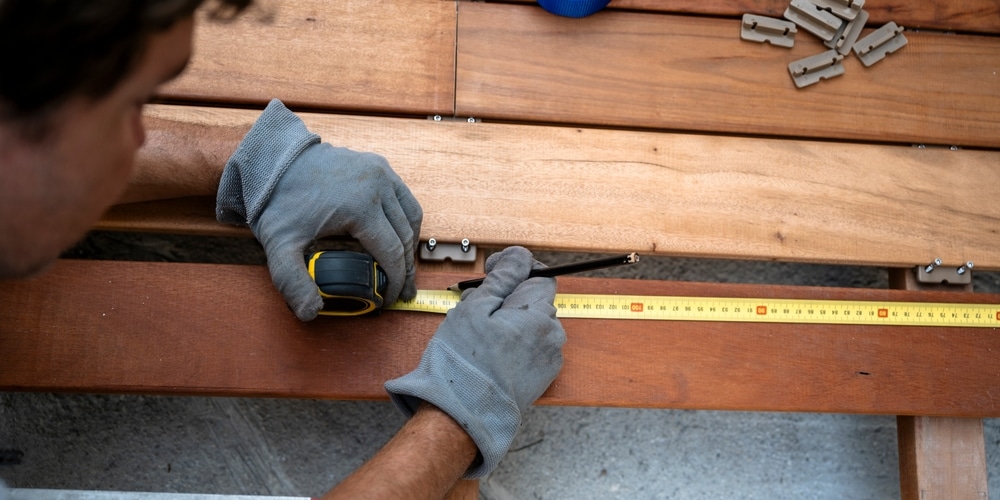
Deck Size and Layout Have a Big Impact on New Deck Installation Cost
One of the biggest factors in new deck installation cost is the size of the deck. A larger deck needs more framing, more decking boards, more hardware, and more labor. In most cases, as square footage goes up, total cost goes up too.
But layout matters as much as size.
Simple shapes usually cost less
A basic rectangular deck is often more cost-effective than one with multiple angles, bump-outs, or curved sections. Simple layouts are easier to build and usually create less material waste.
Multi-level decks cost more
If you want separate spaces for dining, grilling, and lounging, a multi-level design can look great. It also adds framing complexity, extra steps, and more labor time. That increases new deck installation cost quickly.
Key takeaway: Bigger decks cost more, but complicated layouts can push the price even higher.
Materials Play a Major Role
Material selection has a direct effect on new deck installation cost. Homeowners usually choose between pressure-treated wood, premium hardwoods, or composite decking.
Wood vs. composite
Pressure-treated lumber is often the most budget-friendly choice upfront. Composite decking usually costs more at the start, but it can reduce maintenance over time.
For example, a homeowner who wants lower upkeep may spend more now on composite to avoid regular staining or sealing later. That does not lower the initial new deck installation cost, but it can improve long-term value.
Railing materials matter too
Wood railings may cost less than metal, cable, or composite railing systems. Custom railing designs can also add to the final price.
Key takeaway: The materials you choose affect both upfront price and future maintenance.
Design Complexity, Elevation, and Features Add Cost
Not every deck is built close to the ground with a simple platform. The more custom the design, the more likely it is to raise new deck installation cost.
Elevated decks require more structure
If your deck sits high off the ground, it will likely need larger support posts, deeper footings, added bracing, and more safety features. Elevated decks often require more engineering and more time to build.
Stairs, skirting, and built-ins increase pricing
Popular add-ons can improve function and appearance, but they also increase cost. These may include:
- Stairs
- Benches
- Privacy walls
- Built-in lighting
- Skirting
- Gates
- Pergola features
Each added feature means more materials and more labor. So while these upgrades can make the deck more useful, they also change the total new deck installation cost.
Site Conditions Can Change the Scope of the Project
Your yard plays a bigger role in new deck installation cost than many homeowners expect. Even a well-designed deck can become more expensive if site conditions are challenging.
Sloped or uneven yards require more work
A flat, accessible yard is usually easier and faster to build on. A sloped lot may require taller supports, extra excavation, or more complex planning.
Access can affect labor time
If crews have limited access to the backyard, moving materials and equipment may take longer. Obstacles like fencing, tight side yards, tree roots, or drainage issues can also affect installation.
Key takeaway: Difficult site conditions can increase labor and construction complexity, even before the deck itself goes up.
Permits and Labor Also Affect New Deck Installation Cost
Permits are another part of new deck installation cost that homeowners should plan for. In many areas, a new deck requires permits and inspections to make sure the structure meets code.
Permit requirements vary
Permit costs depend on your location and the size or height of the deck. If plans need revisions or engineering review, that can add time and cost as well.
Skilled labor matters
Labor is a major part of deck pricing. A well-built deck needs proper framing, secure footings, code-compliant railings, and attention to detail. Hiring an experienced contractor may not be the cheapest option, but quality workmanship can help you avoid repairs and safety issues later.
Key takeaway: Lower pricing is not always better if it means cutting corners on structure or installation quality.
Think Beyond the Initial Price
It is smart to consider more than just the starting new deck installation cost. The cheapest option upfront may not give you the best return over time.
A deck built with durable materials and a layout that fits your lifestyle may offer better value for years to come. It can improve outdoor use, reduce maintenance headaches, and add appeal to your home. In many cases, spending wisely at the beginning helps avoid bigger costs later.
Plan Your Project With ARH Decks
Understanding new deck installation cost starts with knowing what drives the price. Size, materials, layout, elevation, site conditions, railings, stairs, permits, and labor all play a part. When you understand those factors, it becomes easier to make choices that fit your home and your budget.ARH Decks helps homeowners design outdoor spaces that balance style, function, and long-term value. If you are planning a project and want clear guidance on new deck installation cost, contact us online or at 410.639.3325 today to talk through your ideas and get expert help with your next deck.
